“Tibica coffee beans” search results (900)

Varieties of coffee beans what are the varieties of coffee beans
Caturra is a naturally mutated Arabica variety found in Bourbon in Brazil in 1937. It has good potential to increase production, but it is not suitable for the growth conditions of Brazil. However, it thrives in Colombia and Central America, where quality increases at high altitudes, but production declines and requires a lot of care and fertilization. It has a strong fruit flavor. Caffeine without cause
2016-06-15 Coffee beans varieties cataract Libby Rika elephant beans which ones C.
Coffee beans and coffee trees varieties of coffee trees
After understanding the different types of coffee, let's take a look, especially the Arabica coffee that people are most concerned about can be divided into many different varieties.
2014-09-18 Coffee knowledge coffee tree coffee tree variety
Water washing grade AA of Jiatugi treatment plant in Nyeri production area of Kenya
According to botanists in SL laboratory, SL28 and SL34 are genetic variants. Among them, SL28 has a mixed pedigree of French missionaries, mochas and Yemens Tibica. The goal of cultivating SL28 was to mass produce coffee beans with high quality and resistance to diseases and insect pests. Although the later production of SL28 was not as large as expected, copper leaves and broad bean-shaped beans were very popular.
2016-06-20 Kenya Nyeri production area Tuji Gatugi treatment plant washing
Description characteristics of Yunnan Coffee Bean Catimor,Bourbon,Typica small Coffee Brand Flavor
Yunnan coffee flavor description Zhu Kula is poor and backward, but it is a place with an inextricable bond with coffee. In addition to growing coffee all over the country, the villagers all have a tradition of drinking coffee: self-growing, self-grinding and self-brewing, and now men, women and children in the village have the habit of drinking coffee. The villagers here have a special affection for coffee trees, even if the coffee beans do not bring them any responsibility.
2016-10-20 Yunnan coffee beans Catimor Bourbon Typica
Brazil is committed to the study of "tomorrow Coffee"
Brazil is the strongest coffee producer in the world, and coffee technology is leading the world. A few years ago, scientists used genetic comparisons to find out whether the descendants of Bourbon and Tibica introduced 300 years ago still exist in Brazil. it was found that Brazil's existing bourbon and Tibica had nothing to do with their counterparts in Yemen, Ethiopia, Bourbon and Kenya, and had long been assimilated or localized. If you say "E"
2015-04-02 Brazil committed to tomorrow's coffee research national strength strong coffee producing country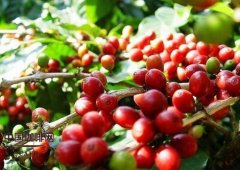
Kenyan Coffee Flavor of Jiatugi processing Plant in Nyeri production area of Kenya
According to botanists in SL laboratory, SL28 and SL34 are genetic variants. Among them, SL28 has a mixed pedigree of French missionaries, mochas and Yemens Tibica. The goal of cultivating SL28 was to mass produce coffee beans with high quality and resistance to diseases and insect pests. Although the later production of SL28 was not as large as expected, copper leaves and broad bean-shaped beans were very popular.
2016-05-18 Kenya Nyeri producing area Home Tuji Gatugi processing Plant Coffee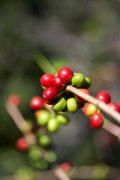
Washing AA quality coffee beans from Jiatugi treatment plant in Nyeri production area of Kenya
According to botanists in SL laboratory, SL28 and SL34 are genetic variants. Among them, SL28 has a mixed pedigree of French missionaries, mochas and Yemens Tibica. The goal of cultivating SL28 was to mass produce coffee beans with high quality and resistance to diseases and insect pests. Although the later production of SL28 was not as large as expected, copper leaves and broad bean-shaped beans were very popular.
2016-05-10 Kenya Nyeri producing area home Tuji Gatugi treatment plant washing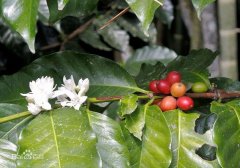
Nyeri Central Dashan area of Jiatugi processing Plant in Nyeri production area of Kenya
According to botanists in SL laboratory, SL28 and SL34 are genetic variants. Among them, SL28 has a mixed pedigree of French missionaries, mochas and Yemens Tibica. The goal of cultivating SL28 was to mass produce coffee beans with high quality and resistance to diseases and insect pests. Although the later production of SL28 was not as large as expected, copper leaves and broad bean-shaped beans were very popular.
2016-07-08 Kenya Nyeri producing area home Tuji Gatugi processing plant central
Brazil is committed to the study of "tomorrow Coffee" Brazilian Coffee
Brazil is the strongest coffee producer in the world, and coffee technology is leading the world. A few years ago, scientists used genetic comparisons to find out whether the descendants of Bourbon and Tibica introduced 300 years ago still exist in Brazil. it was found that Brazil's existing bourbon and Tibica had nothing to do with their counterparts in Yemen, Ethiopia, Bourbon and Kenya, and had long been assimilated or localized. If you say "E"
2015-02-12 Brazil committed to tomorrow's coffee research coffee national strength strong
Introduction to Dominica Santo Domingo Coffee Flavor Manor with soft floral aroma
The increasing number of Kind Kaddura species was hit hard by the hurricane in 1998, resulting in countless losses, so it was common for the local area to switch to Kaddura species with lower tree height and higher harvest. Although Baraona still has Tibica coffee, its harvest has been greatly reduced because of the annual hurricane damage. The climatic conditions of planting Cultivation are the same as those of the highlands in Dominica.
2016-08-20 Flowers soft aroma Dominica Santo Mingo Coffee Flavor Taste Zhuang
Introduction to the planting situation of Arabica Coffee Manor
Arabica coffee trees grow between 900m and 2000 m above sea level; they are hardy, and the suitable growth temperature is 1524 ℃; they need more humidity, and the annual rainfall is not less than 1500 ml. At the same time, they also require higher cultivation techniques and conditions. Arabica coffee beans are mainly grown in South America (except Argentina and parts of Brazil), Central American countries and Africa.
2016-07-12 Rabbi card seed coffee origin introduction manor planting situation rabbi card species
Papua New Guinea Asian Coffee beans with soft and balanced Flavor
1. A variety of fine coffee. It is better to use Arabica inherent variety Tibica or bourbon variety. two。 Is the altitude, topography, climate, soil and refinement of the cultivated land or farm clear? Generally speaking, the coffee with high altitude is of higher quality, and the fertile volcanic soil is the best. 3. The harvesting method and refining method are adopted. Generally speaking, manual harvesting method and washing essence are adopted.
2016-06-30 Flavor soft balanced Papua New Guinea Asia coffee beans boutique coffee
Thick texture, clean taste, Nicaragua Matagalpa specialty coffee
1. Fine coffee varieties. Arabica native varieties Tibica or Bourbon varieties are preferred. 2. Is the altitude, terrain, climate, soil, and refining method of the cultivation site or farm clear? Generally speaking, the coffee quality at high altitude is higher, and the soil is better with fertile volcanic soil. 3. The recovery method and refining method adopted. In general, manual recovery methods and water washing methods are used.
2016-06-30 texture heavy taste clean Nicaragua Mataga
Rich aroma and unique characteristics of Bolivian Coffee introduction to Fine Coffee beans in Manor producing area
Bolivia not only has a unique growing environment, but also has an excellent coffee variety Typica. In the past two hundred years, the main variety of coffee in Yanggas area is the ancient Tibica. Tibica coffee has a balanced and soft flavor, with lively aroma and rich sour taste. Unfortunately, the low production of Tibika and its poor disease resistance make Bolivia's
2016-08-08 Aroma rich unique Bolivia coffee characteristics manor producing area flavor mouth
Introduction of the Origin of the most traditional Arabica Coffee
Arabica (Coffea arabica) is the most traditional Arabica coffee variety. Originally from East Africa, coffee was monopolized by the Arab world for a long time before the 15th century, so it was called Arabian coffee by Europeans. It turned out that all the commercial coffee in the world were small grains, but it was only at the end of the 19th century that growers began to look for other resistance to a large-scale disease.
2016-07-12 Tradition Arabian coffee variety origin introduction rabbi manor producing area la
Introduction to the planting environment of small grain coffee flavor and taste of Arabica coffee in Yunnan
Arabica is deeply loved by Chinese people with a short history of coffee contact because of its strong fruity aroma. it was introduced to China by missionaries in the 19th century and was widely planted in Panzhihua, Sichuan, and the dry-hot valley of the Jinsha River in western Yunnan, where the sunshine was long and there was a big temperature difference between day and night. The local people solved the problem of insufficient seasonal rainfall by diverting water up the mountain.
2016-07-15 Yunnan rabbi coffee small grains flavor taste planting environment introduction
Description of Bolivian Coffee Flavor with obvious Flower Flavor introduction to the characteristics of Variety treatment of Grinding degree
Bolivia not only has a unique growing environment, but also has an excellent coffee variety Typica. In the past two hundred years, the main variety of coffee in Yanggas area is the ancient Tibica. Tibica coffee has a balanced and soft flavor, with lively aroma and rich sour taste. Unfortunately, the low production of Tibika and its poor disease resistance make Bolivia's
2016-10-07 Flower aroma smell obvious Bolivia coffee flavor description grinding taste
Introduction of rich and unique varieties of manor flavor in Bolivian coffee producing areas
Bolivia not only has a unique growing environment, but also has an excellent coffee variety Typica. In the past two hundred years, the main variety of coffee in Yanggas area is the ancient Tibica. Tibica coffee has a balanced and soft flavor, with lively aroma and rich sour taste. Unfortunately, the low production of Tibika and its poor disease resistance make Bolivia's
2016-09-19 Rich unique Bolivia coffee producing area characteristics manor flavor variety introduction
Bright taste of Panamanian Pocket Flower Butterfly Coffee Bean Flavor Manor introduction to Ace
The distinction between Panamanian growing areas mainly depends on the sales situation of coffee, but mostly on geographical distribution. In the past, coffee was widely spread, and the following areas are actually one area, but these areas are closely linked. Boquete, this is the Panamanian region that we are most familiar with. The special mountainous terrain of this area forms a microclimate which is very suitable for growing coffee. A cool day
2016-07-25 Bright taste Panama Pokui special flowers butterflies coffee beans flavor manor production
Treatment methods of Bolivian coffee beans
After the evaluation by American agricultural experts. Bolivia is found to be a paradise for the development of boutique coffee. Except for being tall and tall. The dry and wet seasons are distinct. Shade trees and fertile soil. More importantly. For two hundred years, Bolivia. The variety of coffee from Yangjas. Give priority to the delicious Tibica. The first extraordinary Cup was held in Bolivia in 2004. A total of 13 boutique bean cups scored more than 84. Be selected into the gold list. And the front
2016-06-08 Bolivia coffee beans treatment methods United States agricultural experts evaluation hair